Common Indoor Air Quality Myths Birmingham Homeowners Believe
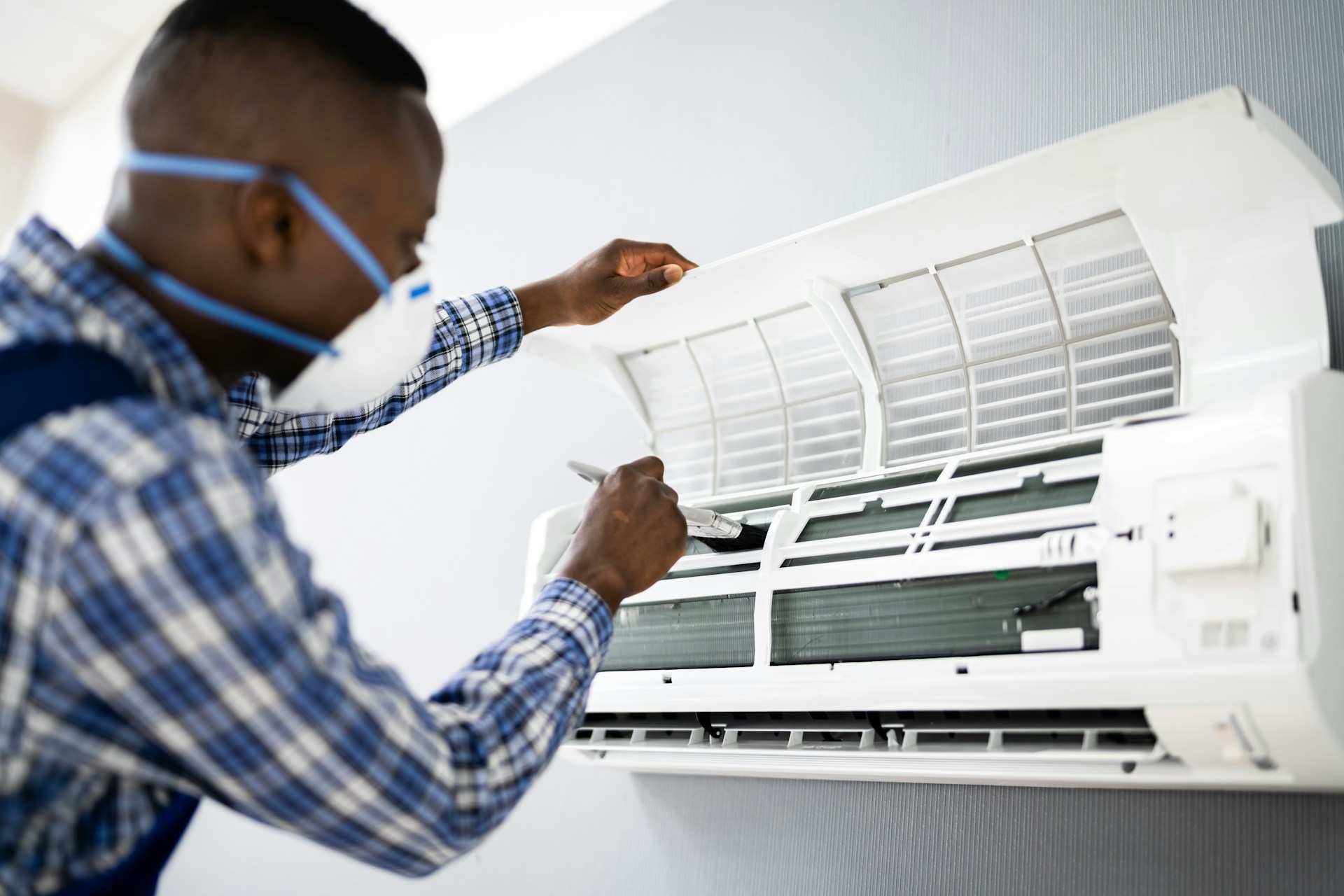
Breathe Easier in Birmingham Homes This Fall
Indoor air can get pretty stuffy as summer fades and temperatures start bouncing around. In the Birmingham area, late summer and early fall bring ragweed, leftover humidity from hot days, and more time with windows closed as we switch between AC and heat. All of that can trap pollutants inside and make breathing a little harder for sensitive lungs.
On top of that, there is a lot of bad information out there about indoor air quality solutions. Some homeowners spend money on products that do not really help, while others ignore warning signs because they think everything is fine. We want to clear up a few common myths so you can make smart choices for your home and business.
At Home & Commercial Services LLC, we are a female-led, family-owned HVAC company based right here near Birmingham. Our goal is to give honest, down-to-earth advice about heating, cooling, and indoor air quality without scare tactics or pressure.
Myth 1: “My Indoor Air Is Fine If I Can’t See Dust”
If you cannot see dust floating in the air, it is easy to assume everything is clean. The problem is, many of the most bothersome indoor pollutants are too small to see. Your air can look clear but still carry things that bother your nose, throat, and lungs.
Common invisible pollutants include:
- VOCs from cleaners, paints, glues, and new furniture
- Pet dander that sticks to fabrics and floats in the air
- Mold spores from damp areas around the home
- Bacteria and tiny particles from outdoor pollution
In the Birmingham area, pollen tends to sneak indoors on shoes, clothing, and pets. Humid air from summer storms leaves behind moisture in basements, crawl spaces, and around windows. Ongoing building and road work around town can kick up fine dust that drifts into homes, even if your surfaces look spotless.
A quick glance at your coffee table will not tell you what is really in your air. Professional indoor air quality assessments can help uncover hidden problems, from high humidity to poor ventilation to filtration issues. That information is the first step toward choosing indoor air quality solutions that actually match what your home or business needs.
Myth 2: Changing My Filter Twice a Year Is Enough
Many homeowners only think about their HVAC filter in spring and fall. In our climate, that schedule usually is not enough. Your system often runs hard through hot summers and on cooler winter nights, which means the filter fills up faster.
In the Birmingham area, a more realistic filter change schedule is:
- Every 1 to 3 months for most homes
- Monthly in peak summer and winter if the system runs a lot
- More often in homes with pets, smokers, or allergy concerns
When filters stay in too long, they start causing problems:
- Restricted airflow that makes your system work harder
- Higher energy use as the system runs longer to keep up
- Dust and allergens breaking loose and blowing back into your air
Basic fiberglass filters catch large particles but often miss the smaller ones that bother sensitive lungs. Higher MERV filters and media filters can catch more of those tiny particles. But it is important to match the filter to your HVAC system so you do not choke off airflow.
A local HVAC professional can look at your equipment, your indoor air concerns, and your lifestyle, then recommend filter options that protect both your air and your system.
Myth 3: Opening Windows Is All I Need for Fresh Air
Cracking a window can feel nice on a mild day, but it is not always the best way to improve indoor air in central Alabama. Our outdoor air often carries high humidity, mold spores, and seasonal pollen. Bringing that straight indoors can actually make things worse.
Open windows can:
- Raise indoor humidity, feeding mold and dust mites
- Make rooms feel sticky and uncomfortable
- Let in pollen that sticks to furniture and fabrics
- Allow outdoor pollution and smoke to drift inside
On stormy or very hot days, opening windows also fights against your HVAC system. Your AC or heat has to work harder to deal with the extra moisture and temperature swings.
A smarter approach is planned ventilation. Balanced ventilation systems and energy recovery ventilators, often called ERVs, move stale indoor air out and bring fresh air in at the same time. They pass the air streams through a special core that helps control temperature and moisture, so your HVAC system is not overwhelmed. When paired with good filtration, this type of setup can give your home fresher air without the downsides of wide open windows.
Myth 4: Air Fresheners And Candles Clean The Air
Many people think their air is clean if their home smells nice. But pleasant smells do not always mean healthy air. Plug-in air fresheners, sprays, and scented candles often release VOCs and other chemicals as they work.
In a tightly sealed home that runs AC much of the year, those chemicals can build up. Over time, they may lead to:
- Headaches or lightheaded feelings
- Irritated eyes, nose, or throat
- Stronger asthma or allergy symptoms for some people
Instead of trying to cover odors, it is better to remove the source and clean the air. Healthier choices might include:
- Simple, fragrance-free cleaning products
- Careful, natural ventilation when outdoor conditions are good
- Whole-home air purifiers that work with your HVAC system
- Regular HVAC maintenance to clear out dust and debris inside equipment
Real indoor air quality solutions focus on removing or reducing pollutants, not just giving them a different scent.
Myth 5: Only People With Allergies Need Air Quality Help
Allergies and asthma can make bad air harder to ignore, but indoor air quality affects everyone. When your air is full of dust, moisture, and chemicals, your body has to work a little harder with every breath.
Poor indoor air can show up as:
- Ongoing tiredness, even after a full night of sleep
- Frequent colds or sinus issues
- Scratchy throat or dry, itchy eyes
- Trouble staying comfortable from room to room
As kids head back to school and families bring home more germs, clean indoor air can support better rest and fewer sick days. It also matters for your HVAC equipment. Excess dust and biological growth inside your system can lead to clogged coils, dirty blower wheels, and early wear on parts.
For Birmingham homeowners and business owners, good indoor air quality can mean:
- More consistent comfort in every room
- Fewer distractions from sneezing, coughing, or stuffy noses
- Equipment that runs more smoothly thanks to cleaner internal parts
Thinking of indoor air quality as part of your whole comfort and HVAC plan, not just an allergy fix, helps you get better long-term results.
Upgrade Your Air Quality With Local Expert Support
Indoor air quality myths can keep you stuck in habits that do not really help, like leaving the same old filter in or relying on candles to feel “fresh.” As late summer and fall allergies pick up around Birmingham, it is a good time to rethink what is going on in your home or business.
Simple steps like choosing the right filter, keeping up with regular HVAC maintenance, and considering options like air purification, humidity control, and balanced ventilation can make a big difference in how your home feels. At Home & Commercial Services LLC, we focus on honest indoor air quality assessments and solutions that match each space, so you can breathe easier all year.
[Note: To fully comply with the client's 12 week blog plan, insert any required week-specific topic focus, CTAs, links, or structural elements specified in that plan here once available.]
Breathe Cleaner Air At Home And Work Today
If you are ready to tackle dust, allergens, and lingering odors at the source, our team at Home & Commercial Services LLC is here to help. Explore our comprehensive indoor air quality solutions to find the right fit for your space and needs. We will assess your property, explain your options in clear terms, and recommend a plan that aligns with your budget. Have questions or want to schedule a visit? Simply contact us to get started.