Emergency AC Repair vs. Urgent but Not Emergency: Birmingham Triage Guide
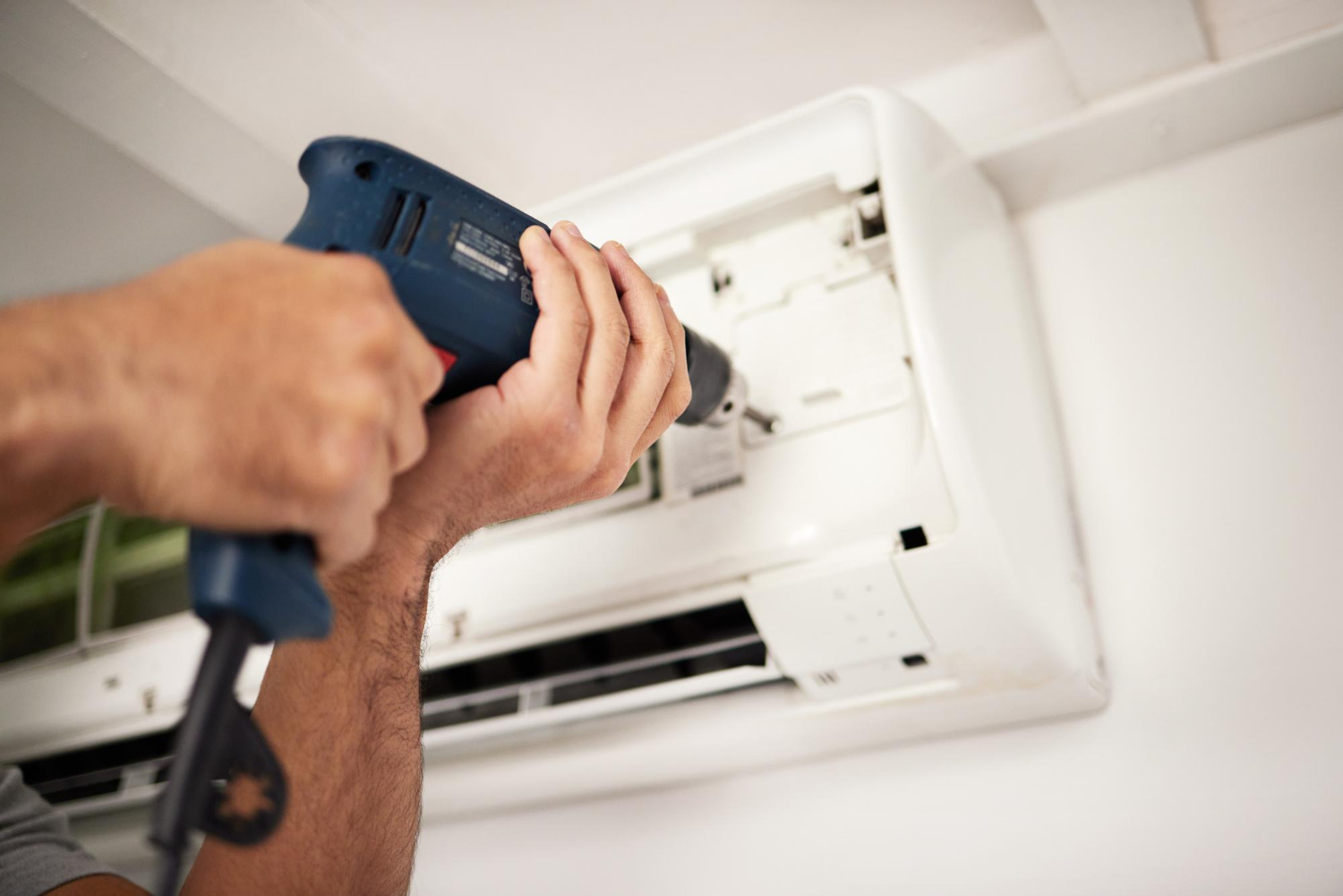
When AC Trouble Becomes an Emergency
When your air conditioner acts up in Birmingham heat, it can go from annoying to scary pretty fast. The hardest part is knowing if you need emergency AC repair in Birmingham, AL, right this second, or if it can wait for a regular visit.
As a local HVAC team, we see this problem every summer. Some issues are true health and safety emergencies, especially for kids, older adults, and pets. Others feel urgent, but you still have a little time to breathe, cool down, and plan. This guide walks through what is dangerous, what is just uncomfortable, and what you can safely check before you call a professional.
A good way to think about it is this: an AC emergency is any problem that puts people or property at real risk. That might be serious heat inside the house, signs of fire or electrical trouble, or fast water damage. Everything else is still important, but not 911-level.
Red-Flag Signs You Need Emergency Help Now
Some AC problems simply cannot wait. When these show up, shut the system off and treat it like an emergency.
Big red flags include:
- No cooling during extreme heat, with the indoor temperature getting dangerous
- Burning smells, smoke, or sparks
- Heavy leaking that could damage your home or reach electrical parts
- Signs of a refrigerant leak
No cooling in high heat is an emergency if your home is heating up and you cannot keep it under a safe temperature. This is especially true if anyone in the house is very young, older, or has health issues, or if pets must stay inside. Heat stress can sneak up quickly, so if the AC is off or blowing hot air and the house keeps climbing toward unsafe levels, that is an emergency AC repair in Birmingham, AL situation.
Burning smells, smoke, or anything that looks like sparking from the indoor or outdoor unit are clear danger signs. In this case:
- Turn the system off at the thermostat
- If you can safely reach it, shut off power to the unit at the breaker
- Do not turn it back on until a professional has checked it
Water and safety hazards can also be emergencies. A little condensation drip is one thing. But you need urgent help if:
- Water is pouring from the ceiling or near light fixtures
- You see ceiling sagging or bubbling paint under an attic unit
- Water is close to outlets, power strips, or an electrical panel
Also watch for signs of a refrigerant leak, like a strong chemical smell, loud hissing from the lines, heavy ice on the outdoor unit, or liquid pooling around the refrigerant pipes. Do not touch or breathe close to the leak. Turn the system off and step away until a technician says it is safe.
Urgent but Not 911-Level Problems
Some AC issues feel very serious, but they are not usually life or death as long as the home stays at a livable temperature.
These usually fall into the “urgent but not emergency” bucket:
- Uneven cooling from room to room
- The system running longer than normal but still cooling some
- Strange noises like banging, grinding, or screeching
- Higher power bills without a clear reason
- Weak airflow from some vents
Reduced comfort is still important, just not always dangerous. If the house is warmer than you like but fans, closed blinds, and light clothing keep everyone fairly comfortable, you can often wait for a same-day or next-day visit.
Concerning noises can be scary to hear. Banging, grinding, or screeching are warning signs of parts wearing out or coming loose. In many cases, it is smart to:
- Turn the system off to avoid more damage
- Note what you hear and when it happens
- Arrange fast service, but you usually do not need someone in the middle of the night
Higher bills and weak airflow are signs your system is working harder than it should. It is not an emergency, but you will want a technician to check it soon so a small problem does not grow into a big one.
Safe DIY Checks Before You Call
There are a few simple things you can safely check before you decide you need emergency AC repair in Birmingham, AL. These checks do not replace a professional, but they can save time and stress.
Start with the thermostat and power:
- Make sure the thermostat is set to COOL and the fan is on AUTO
- Double check the temperature setting is lower than the room temperature
- Look for any schedule or vacation settings that might have changed things
- Check your breaker box to see if the AC breaker is tripped
- Look for a power switch near the indoor or outdoor unit and see that it is on
Next, look at airflow:
- Check the air filter and replace it if it looks dirty or clogged
- Make sure all supply vents are open
- Move furniture, curtains, or rugs away from vents and returns
- Gently clear leaves or debris from around the outdoor unit
There are also things you should not touch:
- Remove access panels from the indoor or outdoor unit
- Try to repair or move any wiring
- Open or handle refrigerant lines or valves
Instead, pay attention and make notes. Error codes on the thermostat, when noises start and stop, or where you see water or ice can help your technician find the problem faster and get you back to comfortable sooner.
Heat Wave Game Plan for Birmingham Summers
If your AC fails during a heat wave, staying safe while you wait is the priority. Some simple steps can help keep your home cooler:
- Close blinds and curtains on sunny windows
- Use ceiling and box fans to move air, but do not aim fans directly at babies
- Avoid using the oven, stove, or clothes dryer in the hottest part of the day
- Drink plenty of water and wear light, loose clothing
Try to create one “cool room” for the most vulnerable people and pets, usually a shady room on the lowest floor. Use fans and closed curtains to keep that room as comfortable as possible.
You should think about leaving the house if:
- The indoor temperature climbs to an unsafe level, even with fans
- Anyone shows signs of heat trouble, like dizziness, headaches, nausea, red or very pale skin, or fast breathing
- A doctor has warned that heat is risky for someone in your home
Going to a friend’s house, a public building with AC, or a hotel may be the safest choice in those cases.
To prevent future crises, it helps to:
- Keep up with regular maintenance
- Fix small issues early, instead of hoping they go away
- Use smart thermostat settings so the system is not always running full blast
A little planning before summer arrives can make the hottest weeks much less stressful.
Your Next Step When the AC Acts Up
When your AC starts acting up, a quick mental checklist can help you decide what to do:
- Is anyone in danger right now from heat, smoke, sparks, or fast water leaks?
- Is there any burning smell or sign of fire or shock risk?
- Is water reaching ceilings, outlets, or electrical panels?
- Is anyone in the home very young, older, sick, or sensitive to heat?
If the answer to any of those is yes, treat it as an emergency AC repair in Birmingham, AL. If the system is still cooling some and the house is uncomfortable but safe, you can usually treat it as urgent, but not instant.
At Home & Commercial Services LLC, we are a female-led, family-owned HVAC company based here in the Birmingham area, and we understand how stressful AC trouble can be in our climate. When you contact us, you can expect clear questions, honest guidance about whether your issue is an emergency or not, and professional technicians who focus on safety, respect for your home, and straight answers about what is going on.
Restore Comfort With Fast, Reliable AC Service Today
When your home or business is sweltering, you need quick, dependable help from a local team you can trust. At Home & Commercial Services LLC, we provide 24/7 emergency AC repair in Birmingham, AL to get your system back up and running as soon as possible. Our technicians arrive prepared to diagnose the issue, explain your options, and complete most repairs on the spot. If you are ready to schedule service or have urgent questions, contact us now.